"Societies are like human beings: things that happen to them in their formative years tend to shape their decisions and character long after those events have lost their context."
- Edward Luce, in In Spite of the Gods.
Boundaries of Faith and Politics
You know you're in India when the roads are congested not with cars (well, that too) but with posters of political leaders, movies and ads for UPSC coaching. These 3 components are perhaps quite indicative of Contemporary India: Religion, Production houses and Politics.
Sadly, the inclusion of the term 'Secular' in the Preamble of India's constitution did little in its purpose to establish the state as a 'separate and neutral entity' from religion. This has been evident in the differentiation of Indian political parties based on their stances on religion and caste, rather than their political ideology. After all, the running joke being "Indians don't cast their vote, they vote their caste."
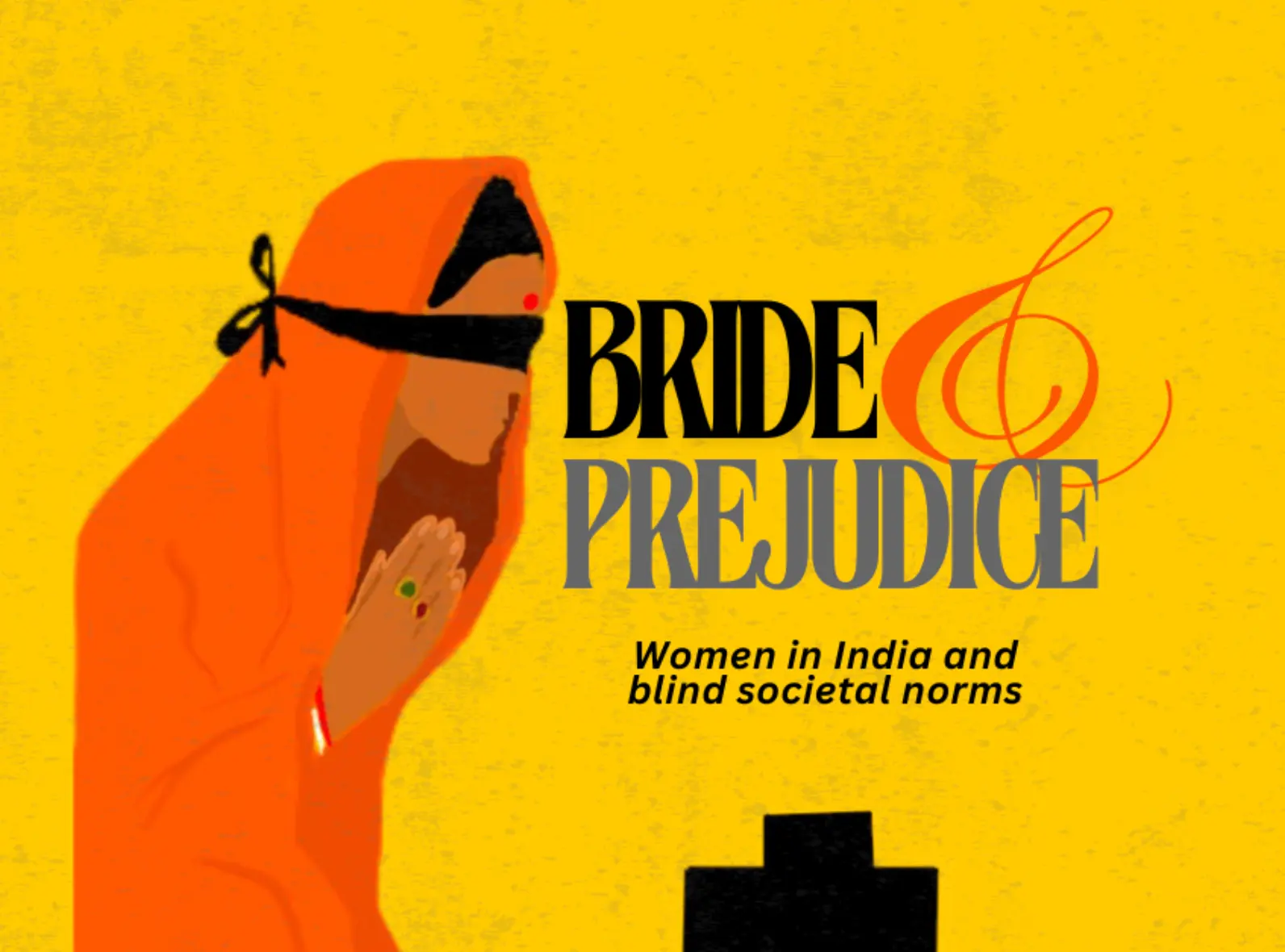
This porous intermingling of religion and politics has often led to tragic consequences, usually over the backdrop of superstition, and with women baring the brunt of the impact. In fact, surveys have shown that even educated women are extremely susceptible to superstitious beliefs, with 80% of female employees being comfortable with superstitious practices in the workplace. One of the prominent superstitions in today's society, is in the blind-faith of self-styled God-men (supposed intermediaries between the divine and their followers).
Trampled Voices
The recent Hathras stampede, for instance, was a damning indictment of the failures of public administration and the far-reaching extent of blind faith. For context, it features a religious gathering featuring Godman 'Bhole Baba', lack of proper crowd control measures, inadequate exit routes, and poor planning by the event organizers. Chaos ensued when the 'bhakts' ran to collect the mud near Godman's feet for blessings and led to a stampede that killed 121 people, 113 of them being women.
As devastating as this preventable tragedy was, the reactions of the bereaved families and the aforementioned 'baba' didn't help.
"We are very disturbed and distressed after the July 2 incident. But, who can avoid the inevitable? Whoever has come to this Earth will have to depart one day, although the timing may differ."
- Bhole Baba
This was coupled with some facts that, again, were objectively avoidable yet dismissed as mere hindsight - the permitted capacity of 80,000 people was instead filled with 2,50,000 occupants. The venue and the muddy, slippery floor was not inspected before getting the necessary approval by the authorities.
Dealing in bad faith
Another example is of Dr. Narendra Dhadholkar, who was a rationalist aiming to eradicate superstition and black-magic practices in Maharashtra, but was instead tragically shot in cold blood by Hindu extremists instead. His legacy, however, remains alive though the Anti-Superstition and Black Magic Act which now criminalises practices of alleged black magic, exorcism and such practices. Sadly, even this law was met with criticism that it infringes upon cultural beliefs and practices. If we're seeing a pattern, the concept of God-men in India, intertwined with bureaucratic actions and public outcry, has formed a sensitive and recurring cycle in the nation's narrative.
The recent OTT release of 'Maharaj' recounts the legal battle of the Maharaj Libel Case during British colonial rule. While the plot itself highlights the detriment of valuing deeply entrenched orthodox beliefs over rational decisions, it serves another significant purpose. It showcased the reaction and the inability of certain religious sects to accept a negative portrayal of Godmen or 'Hindutva', which led to widespread boycotts, delays, and petitions against the film's release.
"If you think Education is expensive, try ignorance."
- Eppie Lederer, American Columnist
Now, it's important to mention that the purpose of this article isn't to demean anyone's idea of religion, faith or even superstition. As a believer myself, my issue isn't with practices of religion or customary practices themselves, but with blind-faith that propagates at the expense of rational thinking.
From a societal perspective, there needs to be a widespread awakening among dogmatic households; however, this is merely wishful thinking unless it is accompanied by grassroots measures such as public safety education and the promotion of scientific reasoning over blind adherence to traditional beliefs for all individuals, regardless of gender, age, or religion. While the state has to balance the fine line of implementing rational governance while respecting faith and religion of the masses, it is equally our duty to keep ourselves accountable.